NEET biology, animated

Class 11

Lessons

-> newest first. Watch, then revise with notes.

DIATOMS

Diatoms are microscopic algae with unique silica-based cell walls, forming intricate and beautiful geometric patterns. Found in diverse aquatic environments, they play a crucial role in the ecosystem by producing oxygen and serving as a primary food source for marine and freshwater organisms. Their fossilized remains contribute to sediment formation.
Watch and read »
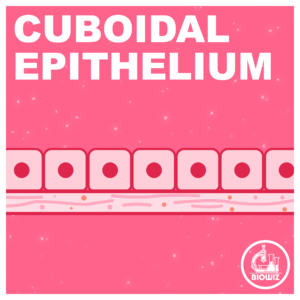
CUBOIDAL EPITHELIUM

CUBOIDAL EPITHELIUM

Cuboidal epithelium features cube-shaped cells arranged in single or multiple layers. It is commonly found in glandular tissues and kidney tubules, where it functions in secretion, absorption, and filtration. The compact, organized structure of cuboidal epithelium supports efficient metabolic activities and effective exchange of substances.

Watch and read »

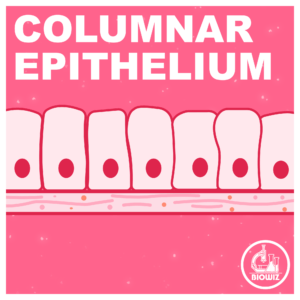
COLUMNAR EPITHELIUM

Columnar epithelium consists of tall, rectangular cells that line surfaces in various organs. This tissue type functions in absorption, secretion, and protection. Found in the digestive tract and respiratory system, it aids in nutrient uptake, mucus secretion, and surface protection, playing a key role in maintaining organ function.

Watch and read »
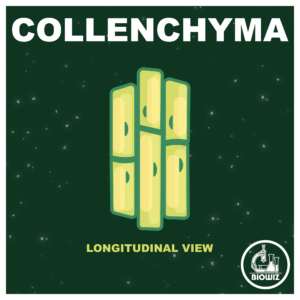
COLLENCHYMA

COLLENCHYMA

Collenchyma is a plant tissue type providing flexible support in growing regions. Characterized by unevenly thickened primary cell walls, collenchyma cells strengthen stems, leaves, and petioles. This supportive tissue allows for structural flexibility and growth, essential for the plant’s ability to adapt to environmental changes and mechanical stress.

Watch and read »
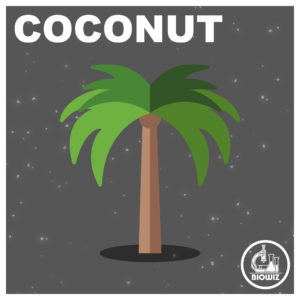
COCONUT TREE

COCONUT

The coconut (Cocos nucifera) is a versatile tropical fruit known for its water, milk, and edible flesh. Its fibrous husk and hard shell protect a nutrient-rich interior. Coconuts are used in diverse culinary applications and products, from refreshing beverages to oils and natural fibers, supporting both nutrition and industry.

Watch and read »

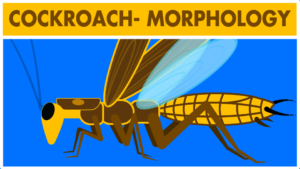
COCKROACH

Cockroaches exhibit a distinctive morphology with a flattened, oval body and a hard exoskeleton. They have three main body parts: head, thorax, and abdomen. Their long, spiny legs are adapted for running, while their antennae are sensory organs. Cockroaches also possess two pairs of wings and chewing mouthparts.

Watch and read »
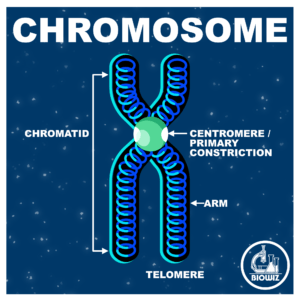
vector illustration of a chromosome

CHROMOSOME

Chromosomes are rod-like structures composed of DNA and proteins, crucial for genetic information storage. Each chromosome consists of two sister chromatids joined at the centromere. The DNA is wrapped around histone proteins, forming nucleosomes that further coil into a compact, organized structure essential for cell division and function.

Watch and read »
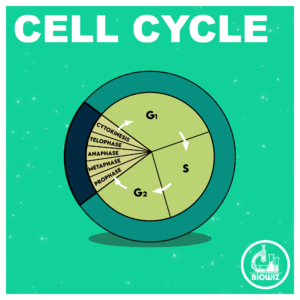
PIE CHART OF CELL CYCLE

CELL CYCLE

The cell cycle is a series of stages that cells go through to divide and reproduce. It includes phases: G1 (growth), S (DNA synthesis), G2 (preparation for mitosis), and M (mitosis and cytokinesis). The cycle ensures accurate DNA replication and cell division, crucial for growth, repair, and development.

Watch and read »
VECTOR ILLUSTRATION OF A CARROT

CARROT

The carrot (Daucus carota) is a nutritious root vegetable known for its crisp texture and sweet flavor. Rich in beta-carotene, fiber, and vitamins, carrots support eye health, digestion, and immune function. They are versatile in cooking, used raw in salads or cooked in a variety of dishes.

Watch and read »
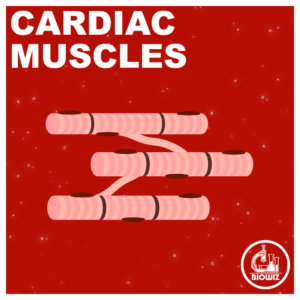
VECTOR ILLUSTRATION OF CARDIAC MUSCLE

CARDIAC MUSCLES

Cardiac muscles are specialized, striated, involuntary muscles found in the heart. They contract rhythmically to pump blood throughout the body and are connected by intercalated discs that facilitate synchronized contractions. Their endurance and automaticity are crucial for maintaining continuous blood circulation and overall cardiovascular health.

Watch and read »

Can't find a topic?

Tell me which chapter confuses you most in the YouTube comments. The most-requested topics get animated next.

Request a topic
Scroll to Top