NEET biology, animated

Class 11

Lessons

-> newest first. Watch, then revise with notes.

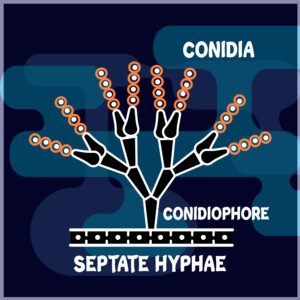
ASEXUAL SPORES IN FUNGI

Fungi reproduce asexually using different types of spores, including conidia, sporangiospores, and chlamydospores. Conidia are free spores produced on specialized structures, sporangiospores form within a sac-like sporangium, and chlamydospores are thick-walled, stress-resistant spores. These diverse spores enable fungi to adapt and spread across various environments.

Watch and read »
Vector Illustration of an Apple

APPLE

The apple (Malus domestica) is a widely consumed fruit known for its sweet, crisp taste and nutritional benefits. Rich in vitamins, fiber, and antioxidants, apples support heart health and digestion. They come in various varieties, with uses ranging from fresh eating to cooking and juicing, and have global cultural significance.

Watch and read »

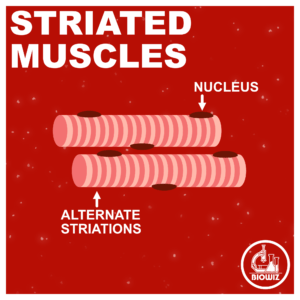
STRIATED MUSCLES

Skeletal muscles are striated, voluntary muscles attached to bones via tendons. They facilitate movement by contracting and relaxing in response to nervous system signals. These muscles also support posture, stabilize joints, and generate heat. They are essential for locomotion and various daily activities requiring conscious control.

Watch and read »

SMOOTH MUSCLES

Smooth muscles are involuntary, non-striated muscles found in the walls of internal organs such as the stomach, intestines, and blood vessels. They control various functions like digestion and blood flow by contracting rhythmically and without conscious control, playing a vital role in maintaining bodily functions and homeostasis.

Watch and read »

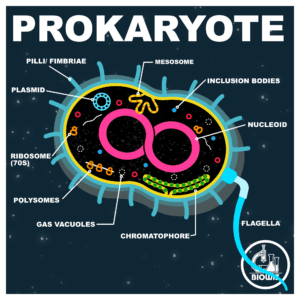
PROKARYOTIC CELL

Prokaryotes are simple, unicellular organisms lacking a true nucleus and membrane-bound organelles. Their genetic material is contained within a single, circular DNA molecule. Bacteria and archaea are prime examples, showcasing adaptability and diverse metabolic pathways that enable survival in various environments, from extreme heat to high salinity.

Watch and read »

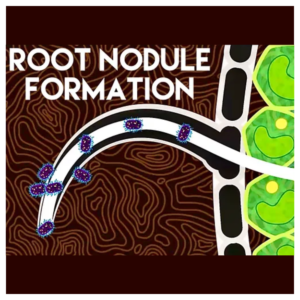
ROOT NODULE FORMATION

Root nodule formation in legumes involves a symbiotic relationship with nitrogen-fixing bacteria, primarily Rhizobium. These bacteria colonize the root hairs, triggering the plant to form nodules. Inside these nodules, bacteria convert atmospheric nitrogen into a form usable by the plant, enhancing soil fertility and plant growth.

Watch and read »

Can't find a topic?

Tell me which chapter confuses you most in the YouTube comments. The most-requested topics get animated next.

Request a topic
Scroll to Top