
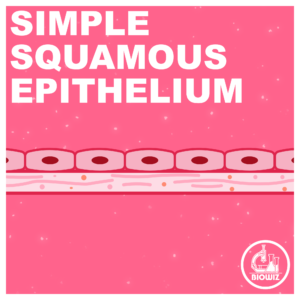
Squamous Epithelium
Flat, tile-like epithelial cells: simple squamous epithelium for diffusion and stratified squamous epithelium for protection, with examples of each.
Flat, tile-like epithelial cells: simple squamous epithelium for diffusion and stratified squamous epithelium for protection, with examples of each.
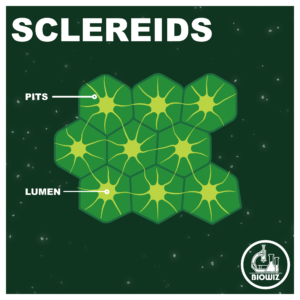
The dead mechanical tissue of plants: features of sclerenchyma, its fibres and sclereids, and how its lignified walls give strength.

What osmosis is and the terms used to explain it: types of solution, diffusion pressure, osmotic and turgor pressure, DPD, and water potential.
The journey to unravel photosynthesis has been full of groundbreaking discoveries! From Jan Ingenhousz revealing light’s role to Melvin Calvin mapping the carbon cycle, each finding has illuminated how plants convert sunlight into energy. These insights not only advanced science but also deepened our understanding of life’s green energy miracle.
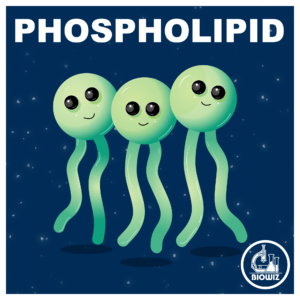
The structure of phospholipids: glycerol, fatty acid tails and the phosphate head, and how the X group decides the type of phospholipid.
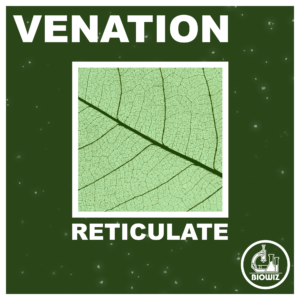
The parts of a leaf, simple and compound leaves, and the two types of venation, with the exceptions to each.
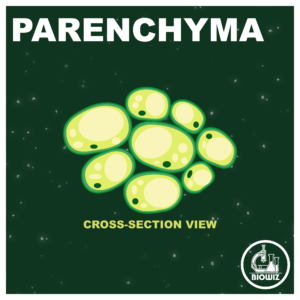
Parenchyma is a fundamental plant tissue consisting of versatile, living cells with thin walls. Found in leaves, stems, roots, and fruits, parenchyma cells are crucial for photosynthesis, storage, and tissue repair. Their ability to divide and differentiate supports plant growth and development.

The onion plant (Allium cepa) is a biennial herb cultivated for its edible bulb, composed of fleshy, layered leaves. Rich in vitamins and minerals, onions are widely used in culinary dishes worldwide. The plant’s sulfur compounds contribute to its distinctive flavor and health benefits, including antioxidant properties.
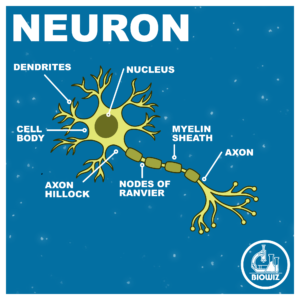
Neurons are specialized nerve cells essential for transmitting electrical signals in the nervous system. Comprised of a cell body, dendrites, and an axon, neurons facilitate communication between the brain and body. This intricate network underpins all neural functions, including movement, sensation, and cognition
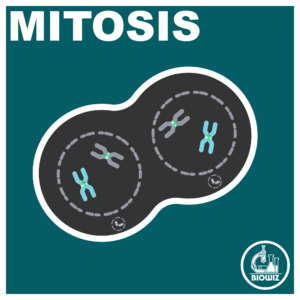
Mitosis is the process of cell division that ensures equal distribution of chromosomes to two daughter cells. It involves stages: Prophase, Metaphase, Anaphase, and Telophase. Each phase is crucial for accurate chromosome replication and separation, maintaining genetic stability and enabling growth, repair, and development in multicellular organisms.