
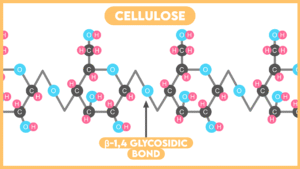
Polysaccharides
Cellulose, chitin, peptidoglycan, starch, glycogen and inulin: structure, bonds and where each polysaccharide is found.
Cellulose, chitin, peptidoglycan, starch, glycogen and inulin: structure, bonds and where each polysaccharide is found.
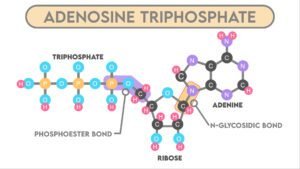
The energy currency of the cell: the structure of ATP, its bonds, and how the ATP–ADP cycle releases and stores energy.
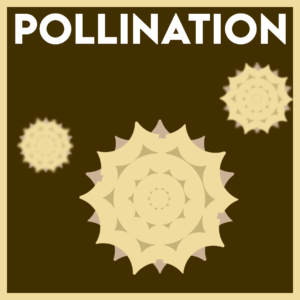
How pollen reaches the stigma: autogamy, geitonogamy and xenogamy, and pollination by wind, water, insects, birds and humans.
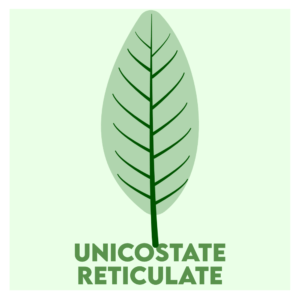
Reticulate and parallel venation in leaves: unicostate (pinnate) and multicostate (palmate) types, convergent and divergent, with examples and diagrams.
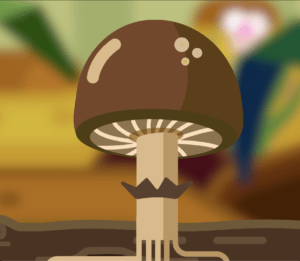
Basidiomycetes, or club fungi, exhibit a complex life cycle featuring both sexual and asexual reproduction. They produce basidiospores on specialized structures called basidia, typically located on fruiting bodies like mushrooms.
How DNA is copied into RNA: the transcription unit, RNA polymerase, sigma and rho factors, and the steps of transcription in prokaryotes

The life cycle of gymnosperms begins with seed germination, producing a diploid sporophyte that differentiates into roots, stems, and leaves. Specialized leaves form sporophylls grouped into cones which ultimately forms pollen and seeds. Learn the complete process here.
White Blood Cells (WBCs), or leucocytes, are crucial components of the immune system, defending the body against infections and foreign invaders. There are five primary types of WBCs: neutrophils, lymphocytes, monocytes, eosinophils, and basophils, each playing a distinct role in identifying and neutralizing pathogens.
Spring vs autumn wood, sapwood vs heartwood and softwood vs hardwood, compared side by side with animated videos
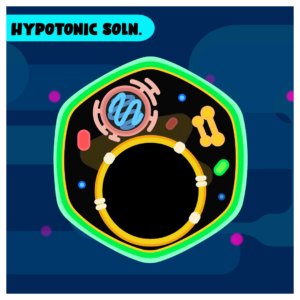
What happens to a plant cell in hypotonic, isotonic and hypertonic solutions: turgor pressure, DPD, flaccid cells and the stages of plasmolysis.