
What are White Blood Cells?
WBCs, also known as leucocytes, are the colorless cells of the blood. These cells do not contain haemoglobin and thus are colorless. They do not have a fixed shape, which enables them to move out of the capillaries by a process called diapedesis.
The number of WBCs in the blood ranges from 6000–8000/mm3. An increase in the number of WBCs is called leucocytosis, while a decrease in their number is called leucopenia.
WBCs are divided into two groups on the basis of the presence or absence of cytoplasmic granules (lysosomes containing different types of enzymes), i.e. agranulocytes and granulocytes.
Agranulocytes
These are the WBCs that do not contain cytoplasmic granules, i.e. they are agranular.
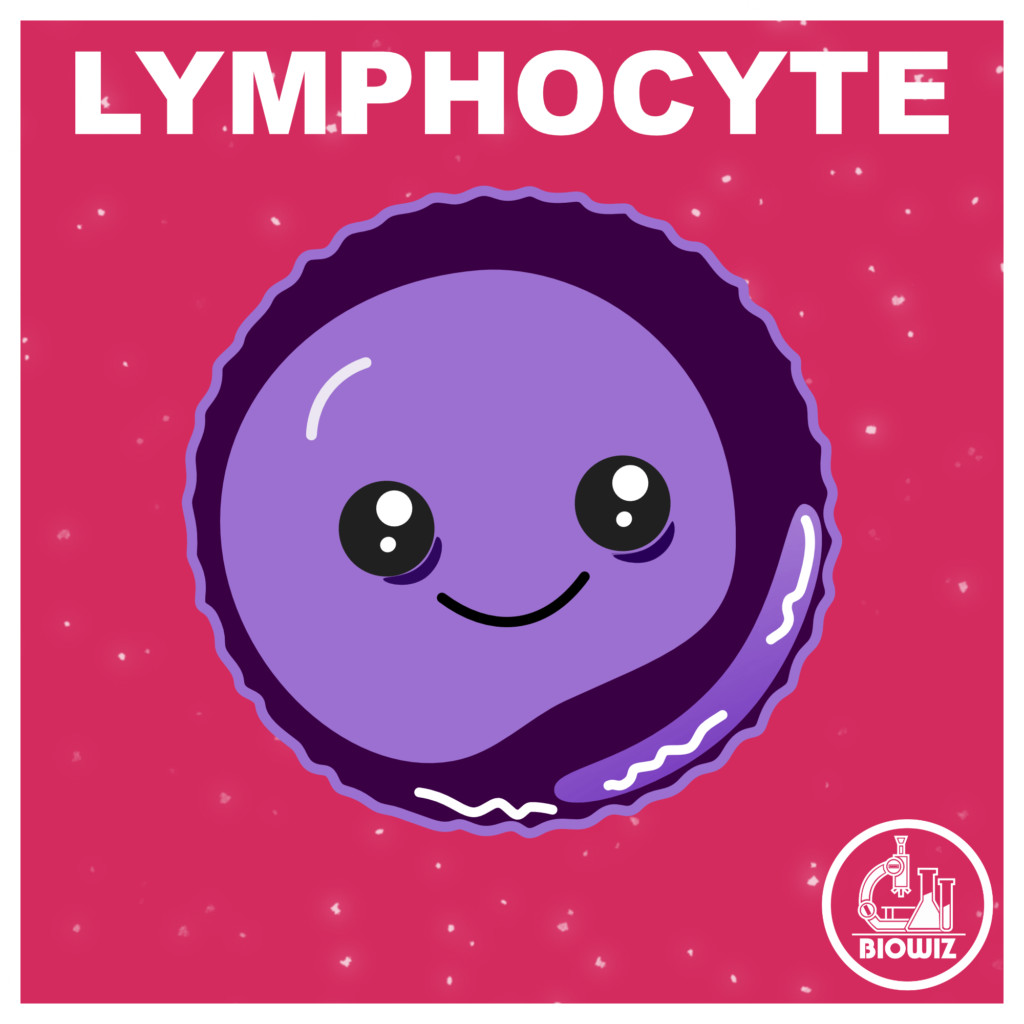
Lymphocytes
- Size – 7–8 μm (small lymphocytes) and 12–15 μm (large lymphocytes)
- Formation – formed by lymphoblasts in the lymphatic tissues and bone marrow
- Nucleus – round
- Functions – synthesis of antibodies
- DLC – 20–25%
- Types – T-cells and B-cells
Monocytes
- Size – 15–20 μm (largest WBCs)
- Formation – formed by monoblasts in the bone marrow and connective tissue
- Nucleus – kidney-shaped
- Functions – phagocytosis
- DLC – 6–8%
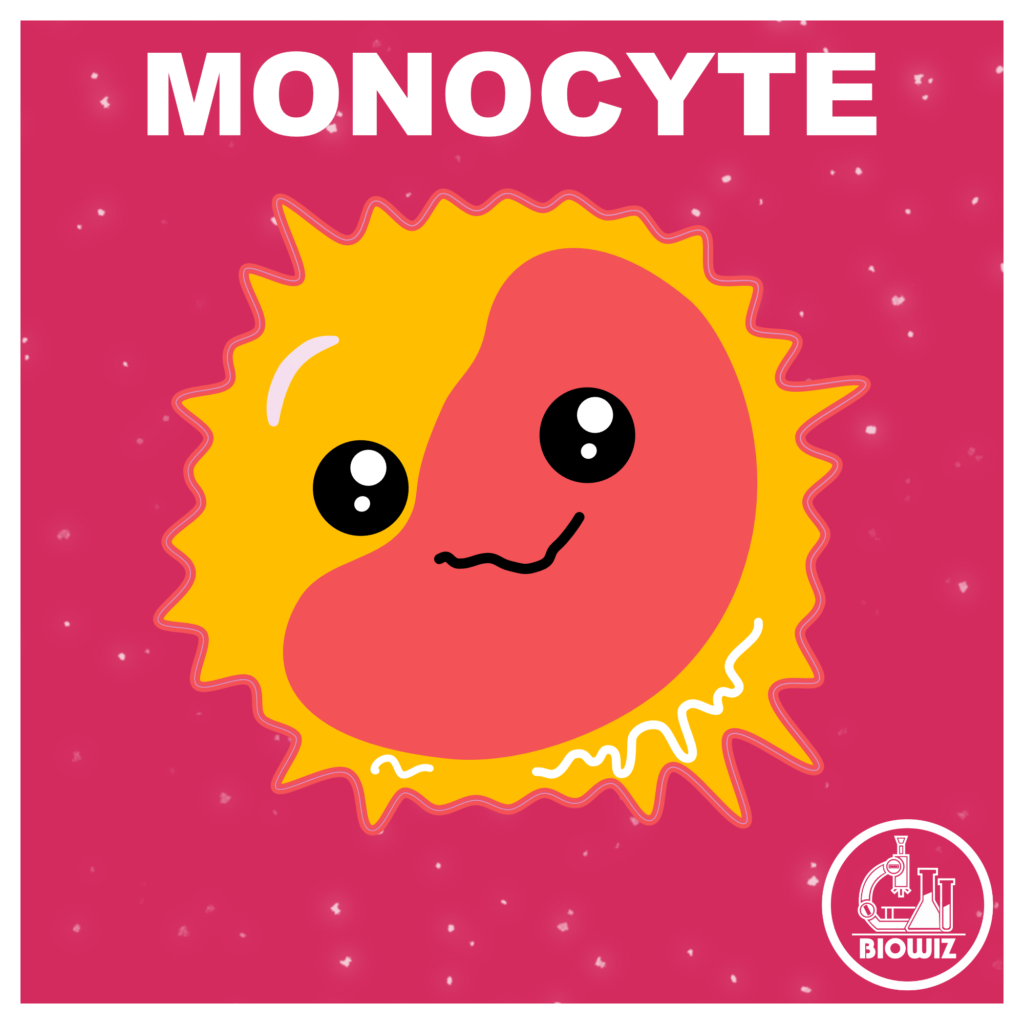
Monocytes leave the blood and become macrophages in the tissues. Remember the pair: neutrophils are the most abundant phagocytes, while monocytes are the largest WBCs.
Granulocytes
These are the WBCs that contain cytoplasmic granules. These cells are formed from myeloblasts.
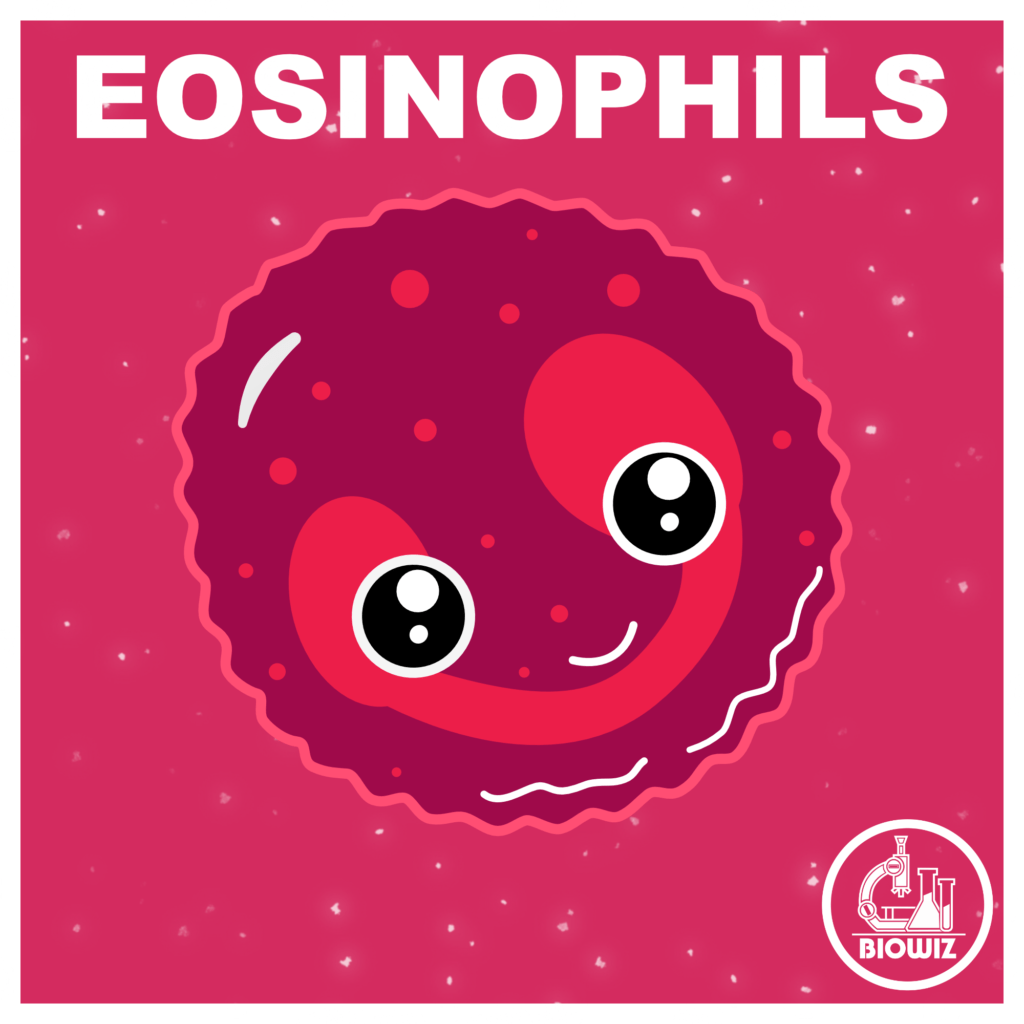
Eosinophils
- Size – 10–15 μm
- Nucleus – bilobed
- Staining – take up acidic stains (also called acidophils)
- Functions – resist infections and are associated with allergic reactions
- DLC – 2–3%
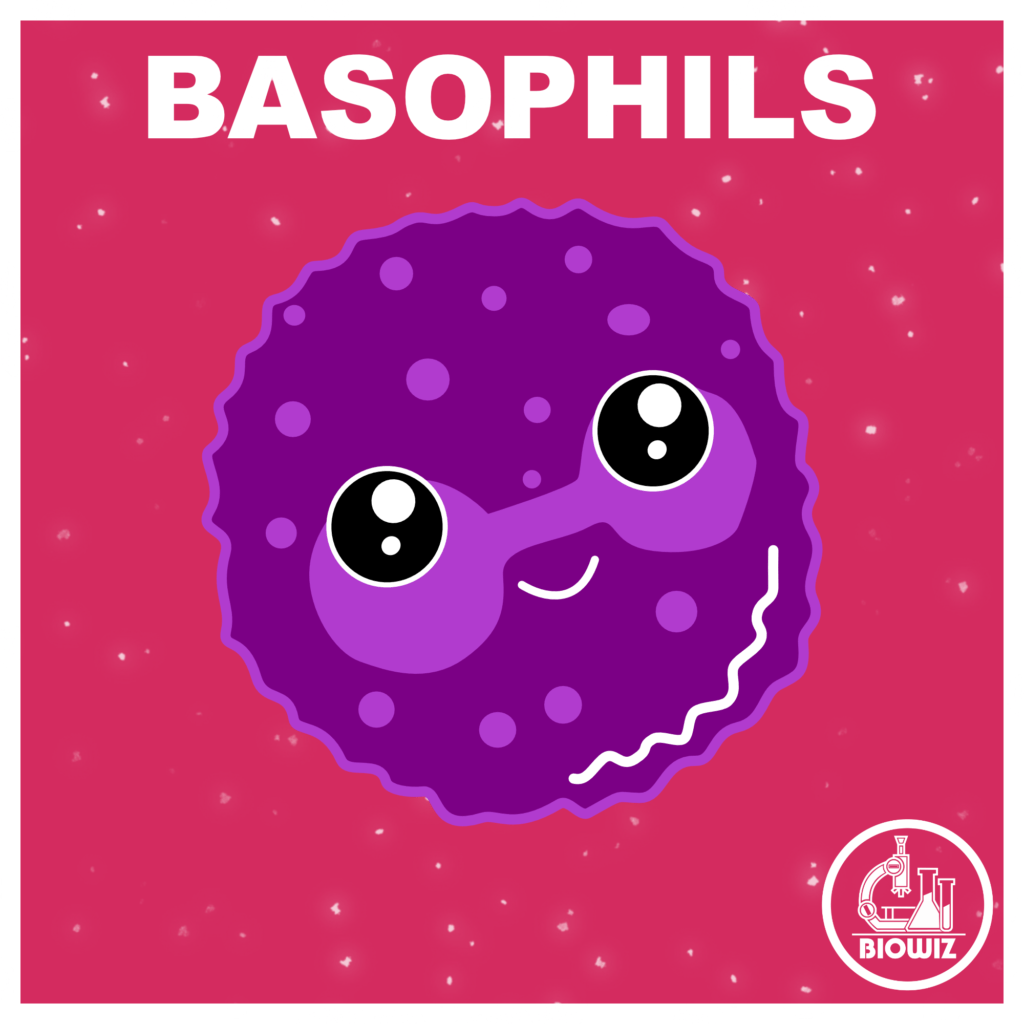
Basophils
- Size – 10–15 μm
- Nucleus – S-shaped
- Staining – take up basic stains like methylene blue
- Functions – secrete histamine, serotonin and heparin, and are involved in inflammatory reactions
- DLC – 0.5–1% (least in number)
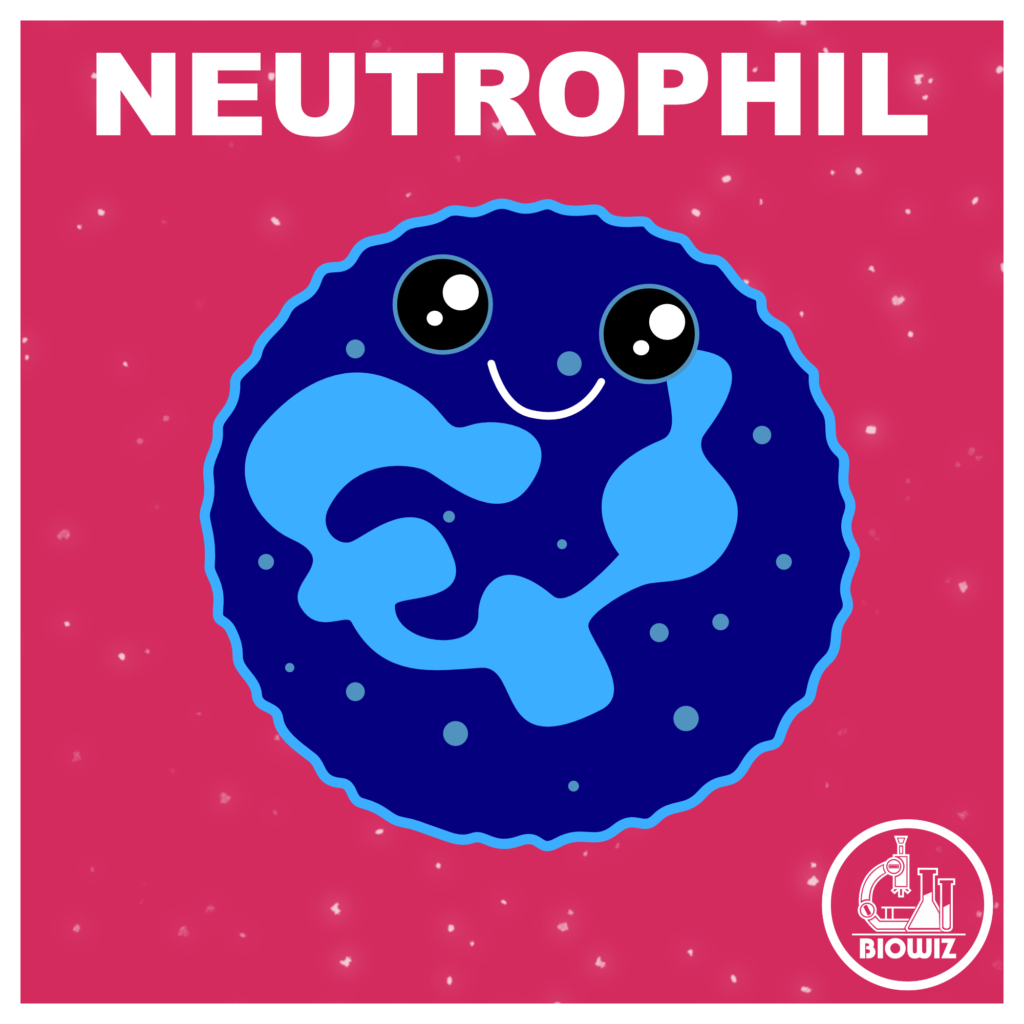
Neutrophils
- Size – 10–14 μm
- Nucleus – 2–7 lobed
- Staining – take up neutral stains like neutral red
- Functions – phagocytosis
- DLC – 60–65% (maximum in number)
DLC order, from most to least: “Never Let Monkeys Eat Bananas” → neutrophils > lymphocytes > monocytes > eosinophils > basophils.