
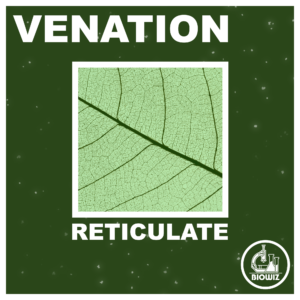
Leaves
The parts of a leaf, simple and compound leaves, and the two types of venation, with the exceptions to each.
The parts of a leaf, simple and compound leaves, and the two types of venation, with the exceptions to each.
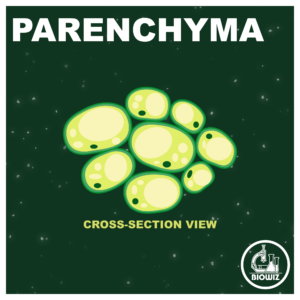
Parenchyma is a fundamental plant tissue consisting of versatile, living cells with thin walls. Found in leaves, stems, roots, and fruits, parenchyma cells are crucial for photosynthesis, storage, and tissue repair. Their ability to divide and differentiate supports plant growth and development.
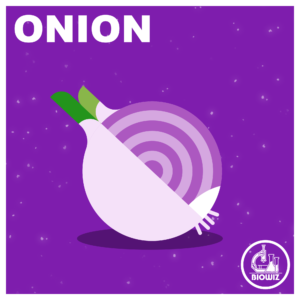
The onion plant (Allium cepa) is a biennial herb cultivated for its edible bulb, composed of fleshy, layered leaves. Rich in vitamins and minerals, onions are widely used in culinary dishes worldwide. The plant’s sulfur compounds contribute to its distinctive flavor and health benefits, including antioxidant properties.
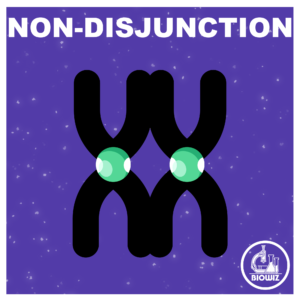
Non-disjunction of chromosomes is a genetic mishap during cell division, where chromosomes fail to separate properly. This error can lead to disorders like Down syndrome, where an extra chromosome 21 is present. Non-disjunction can occur in meiosis or mitosis, resulting in cells with abnormal chromosome numbers, affecting an organism’s development and health.
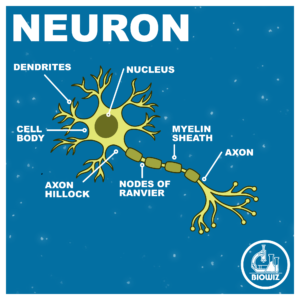
Neurons are specialized nerve cells essential for transmitting electrical signals in the nervous system. Comprised of a cell body, dendrites, and an axon, neurons facilitate communication between the brain and body. This intricate network underpins all neural functions, including movement, sensation, and cognition
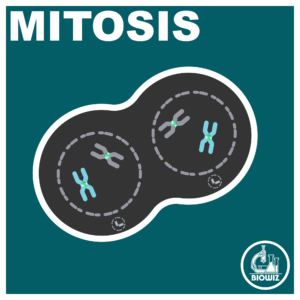
Mitosis is the process of cell division that ensures equal distribution of chromosomes to two daughter cells. It involves stages: Prophase, Metaphase, Anaphase, and Telophase. Each phase is crucial for accurate chromosome replication and separation, maintaining genetic stability and enabling growth, repair, and development in multicellular organisms.
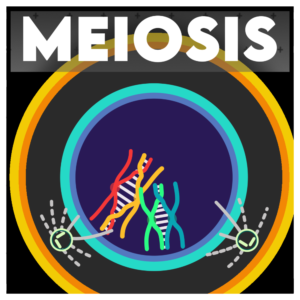
Meiosis is a specialized cell division process that reduces the chromosome number by half, producing four unique gametes. It involves two sequential stages: Meiosis I and Meiosis II. This genetic shuffling increases diversity, which is essential for sexual reproduction and contributes to the genetic variation observed in offspring.
The mango plant and its drupe fruit: its classification, the layers of the fruit wall, other plant features, and its link to polyembryony.
Maize, or Zea mays, is a monocot plant from the Poaceae family, producing unisexual flowers on the same plant, and is notable for its unique caryopsis fruit where the seed coat and fruit wall are fused.

Pteridophytes, also known as vascular amphibians, exhibit a diplo-haplontic life cycle, where the dominant sporophyte is well-differentiated with true roots, stems, and leaves, while the reduced gametophyte is heart-shaped and photosynthetic.