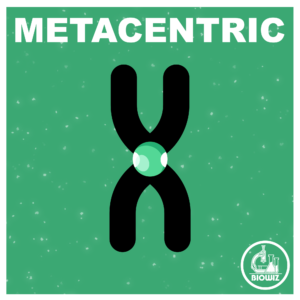
Types of Chromosomes
What chromosomes are and how they are built: chromatin, chromatids, centromere, arms, telomeres and the secondary constriction.
What chromosomes are and how they are built: chromatin, chromatids, centromere, arms, telomeres and the secondary constriction.
The structure of phospholipids: glycerol, fatty acid tails and the phosphate head, and how the X group decides the type of phospholipid.
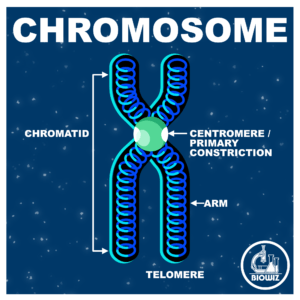
Chromosomes are rod-like structures composed of DNA and proteins, crucial for genetic information storage. Each chromosome consists of two sister chromatids joined at the centromere. The DNA is wrapped around histone proteins, forming nucleosomes that further coil into a compact, organized structure essential for cell division and function.
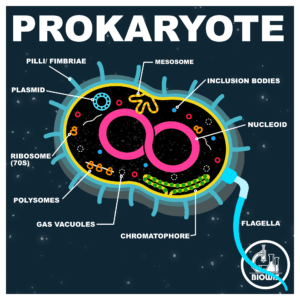
Prokaryotes are simple, unicellular organisms lacking a true nucleus and membrane-bound organelles. Their genetic material is contained within a single, circular DNA molecule. Bacteria and archaea are prime examples, showcasing adaptability and diverse metabolic pathways that enable survival in various environments, from extreme heat to high salinity.