NEET biology, animated

Anatomy of Flowering Plants

Plant tissues and tissue systems, and the internal structure of roots, stems and leaves. Transition of a young stem into a tree.

Lessons

-> newest first. Watch, then revise with notes.

TYPES OF WOOD

Wood is a modification of secondary xylem, formed from vascular cambium during tree growth. It consists of heartwood, providing structural support, and sapwood, facilitating nutrient transport. This complex tissue system is essential for a tree’s strength and functionality, making wood a vital resource for construction and various industries.

Watch and read »

TURGIDITY AND PLASMOLYSIS

Turgidity in plant cells occurs when they are full of water, maintaining structure and firmness. In contrast, plasmolysis happens when cells lose water in hypertonic solutions, causing the cell membrane to pull away from the cell wall. These processes are vital in understanding plant cell osmoregulation and overall health.

Watch and read »

SCLERENCHYMA

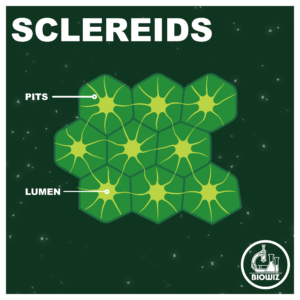
Sclerenchyma tissue provides structural support in plants through its thick, lignified cell walls. Composed of fibers and sclereids, it strengthens stems, roots, and leaves, ensuring rigidity and resistance to external pressures. This tissue type is crucial for maintaining plant integrity and enabling upright growth.

Watch and read »

OSMOSIS | OSMOTIC PRESSURE | DPD | WATER POTENTIAL

Diffusion and osmosis are the dynamic duo of molecular movement! Diffusion spreads molecules from high to low concentration, like perfume filling a room. Osmosis, a special type of diffusion, moves water across membranes to balance concentrations. Together, they keep cells functioning smoothly, making life’s processes possible and fascinating!

Watch and read »
PARENCHYMA

PARENCHYMA

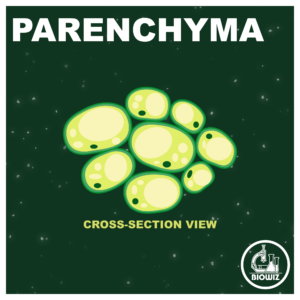
Parenchyma is a fundamental plant tissue consisting of versatile, living cells with thin walls. Found in leaves, stems, roots, and fruits, parenchyma cells are crucial for photosynthesis, storage, and tissue repair. Their ability to divide and differentiate supports plant growth and development.

Watch and read »
COLLENCHYMA

COLLENCHYMA

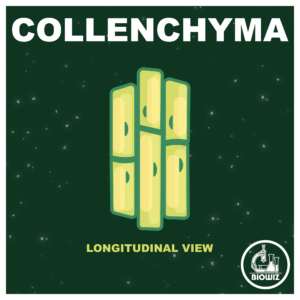
Collenchyma is a plant tissue type providing flexible support in growing regions. Characterized by unevenly thickened primary cell walls, collenchyma cells strengthen stems, leaves, and petioles. This supportive tissue allows for structural flexibility and growth, essential for the plant’s ability to adapt to environmental changes and mechanical stress.

Watch and read »

Can't find a topic?

Tell me which chapter confuses you most in the YouTube comments. The most-requested topics get animated next.

Request a topic
Scroll to Top