
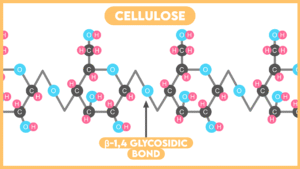
POLYSACCHARIDES
IMPORTANT POINTS Polysaccharides are the polymers of Monosaccharides having more than 10 units. Polysaccharides are Biomacromolecules. Polysaccharides even though classified
IMPORTANT POINTS Polysaccharides are the polymers of Monosaccharides having more than 10 units. Polysaccharides are Biomacromolecules. Polysaccharides even though classified
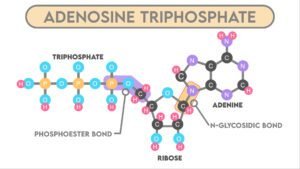
IMPORTANT POINTS ATP or Adenosine Triphosphate is the energy currency of the cell. ATP is a type of Nucleoside triphosphate
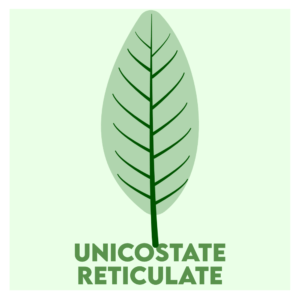
Venation is arrangement of veins in the leaf. The two main types of venation are Parallel and Reticulate. Learn the details of Parallel and Reticulate venation with their further classification in this article
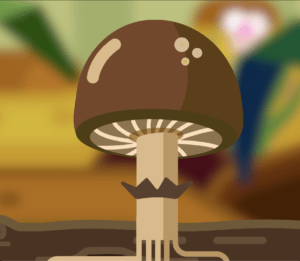
Basidiomycetes, or club fungi, exhibit a complex life cycle featuring both sexual and asexual reproduction. They produce basidiospores on specialized structures called basidia, typically located on fruiting bodies like mushrooms. These spores germinate into haploid mycelia, which can fuse to form dikaryotic mycelia, eventually leading to the development of new fruiting bodies.

The life cycle of gymnosperms begins with seed germination, producing a diploid sporophyte that differentiates into roots, stems, and leaves. Specialized leaves form sporophylls grouped into cones. Male cones produce microspores, developing into pollen grains, while female cones generate megaspores, forming gametophytes with eggs. Pollination, typically wind-facilitated, leads to fertilization within the ovule. The resulting zygote matures into a seed, completing the cycle.
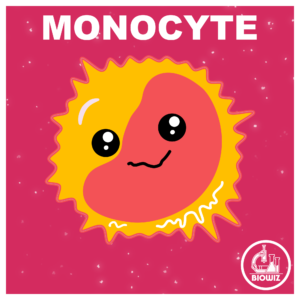
White Blood Cells (WBCs), or leucocytes, are crucial components of the immune system, defending the body against infections and foreign invaders. There are five primary types of WBCs: neutrophils, lymphocytes, monocytes, eosinophils, and basophils, each playing a distinct role in identifying and neutralizing pathogens.
Wood is a modification of secondary xylem, formed from vascular cambium during tree growth. It consists of heartwood, providing structural support, and sapwood, facilitating nutrient transport. This complex tissue system is essential for a tree’s strength and functionality, making wood a vital resource for construction and various industries.
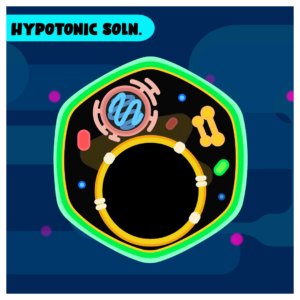
Turgidity in plant cells occurs when they are full of water, maintaining structure and firmness. In contrast, plasmolysis happens when cells lose water in hypertonic solutions, causing the cell membrane to pull away from the cell wall. These processes are vital in understanding plant cell osmoregulation and overall health.
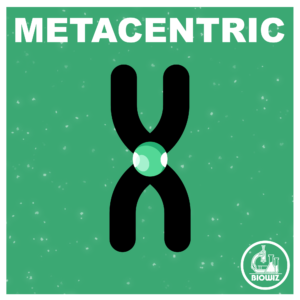
Chromosomes come in four fun shapes based on the centromere’s position! Meet metacentric with its centerfold, submetacentric showing off its uneven legs, acrocentric flaunting a tiny top, and telocentric with its endgame style. Each shape adds a twist to our genetic story, making biology a lively adventure!
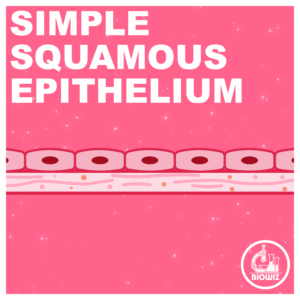
Squamous epithelium consists of flat, thin cells found lining surfaces such as skin, blood vessels, and the alveoli of lungs. This tissue type facilitates diffusion and filtration due to its minimal thickness, playing a crucial role in processes like gas exchange and protecting underlying structures.