
MANGO
Mango is a type of Drupe fruit having a single seed and stony endocarp. The edible part is the juicy mesocarp.
Mango is a type of Drupe fruit having a single seed and stony endocarp. The edible part is the juicy mesocarp.
Maize, or Zea mays, is a monocot plant from the Poaceae family, producing unisexual flowers on the same plant, and is notable for its unique caryopsis fruit where the seed coat and fruit wall are fused.

Pteridophytes, also known as vascular amphibians, exhibit a diplo-haplontic life cycle, where the dominant sporophyte is well-differentiated with true roots, stems, and leaves, while the reduced gametophyte is heart-shaped and photosynthetic.

The life cycle of bryophytes involves alternation of generations between the dominant gametophyte and the sporophyte. The gametophyte produces gametes that unite to form a sporophyte, which generates spores. These spores develop into new gametophytes, ensuring the perpetuation and propagation of bryophyte species through this cyclical process.

Leaves come in various types, each uniquely adapted to their environment. Simple leaves have a single blade, while compound leaves consist of multiple leaflets. Their shapes vary from broad to needle-like, optimizing photosynthesis and water conservation. Understanding leaf types helps in identifying plants and their ecological roles.

Gymnosperms are seed-producing plants with naked seeds, not enclosed by fruit. They include conifers like pine and cedar, thriving in diverse habitats. Key features: needle-like leaves, cones for reproduction, and adaptability to various climates.
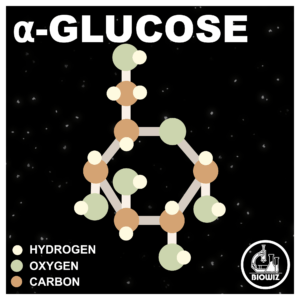
α-Glucose is a vital monosaccharide and a fundamental building block in biochemistry. Its unique ring structure allows it to form polysaccharides like starch and glycogen, essential for energy storage in plants and animals. Understanding α-glucose’s role helps elucidate complex biological processes and energy transformations

Glands are classified by their mode of secretion into three types: merocrine, releasing products via exocytosis; apocrine, secreting by pinching off a portion of the cell; and holocrine, where entire cells disintegrate to release their contents.
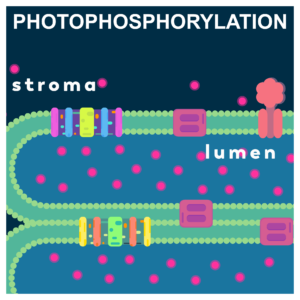
Photophosphorylation is the process by which light energy is used to generate ATP in plants, algae, and cyanobacteria during photosynthesis. It occurs in the thylakoid membranes of chloroplasts and involves two types: cyclic and non-cyclic. This crucial mechanism fuels various cellular activities and supports plant growth and metabolism.
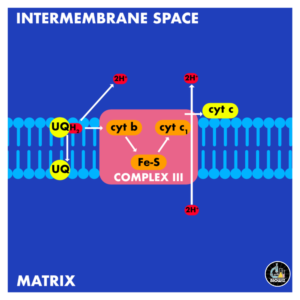
The mitochondrial electron transport system (ETS) is a series of protein complexes located in the inner mitochondrial membrane. It plays a crucial role in cellular respiration by transferring electrons from NADH and FADH2 to oxygen, generating a proton gradient. This process drives ATP synthesis, providing energy for cellular activities.