
What are simple and compound leaves?
Leaves can be divided into two types:
- Simple leaf
- Compound leaf
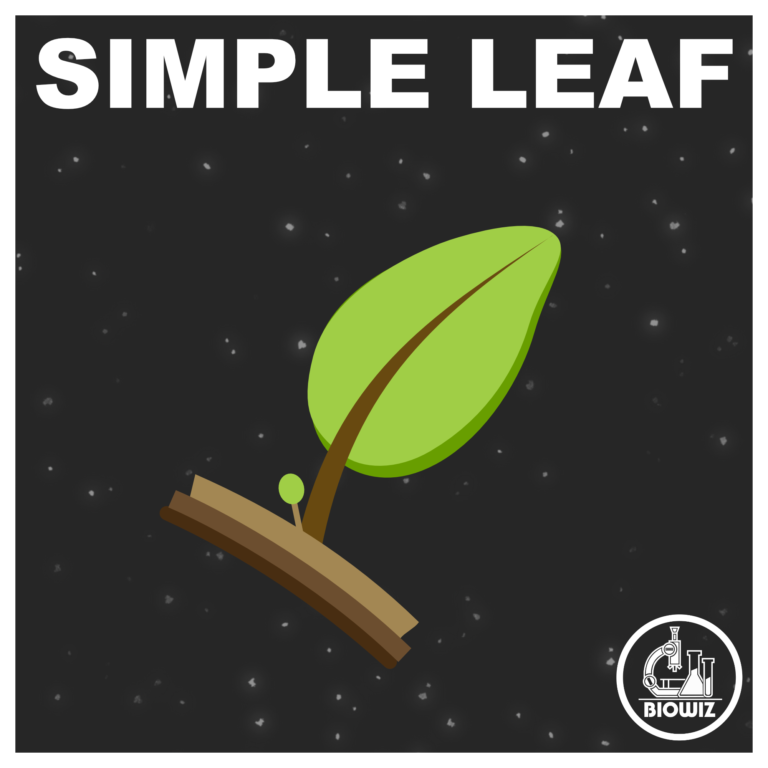
Simple leaf
- In a simple leaf, either the incisions are absent or, if present, they do not reach the midrib.
- An axillary bud is present at the axil of the petiole.
Compound leaf
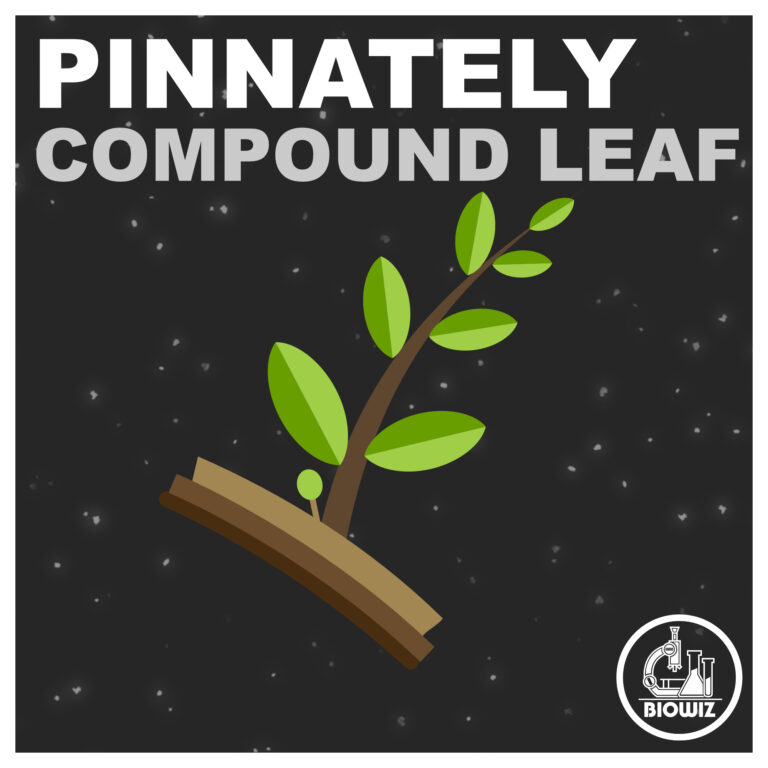
- In a compound leaf, the incisions reach the midrib and the lamina is divided into a number of leaflets.
- An axillary bud is present at the axil of the petiole, but absent at the axil of the leaflets.
- Compound leaves are divided into two types on the basis of the arrangement of leaflets:
Pinnately compound
A number of leaflets are present on a common axis called the rachis, which represents the midrib of the leaf.
Palmately compound
The leaflets are attached at a common point, i.e. at the tip of the petiole.
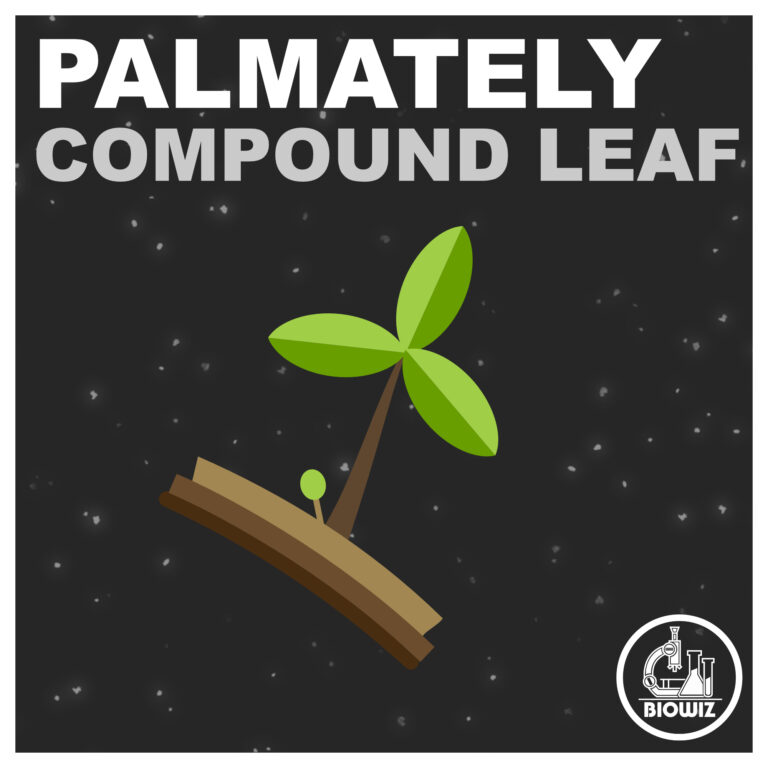
NCERT’s examples: neem has a pinnately compound leaf, and silk cotton has a palmately compound leaf.
How to tell a compound leaf from a small branch with leaves: a compound leaf has an axillary bud only at the base of its petiole, not at the base of its leaflets. A branch has a bud in the axil of every leaf.