
POLLINATION
Pollination refers to the transfer of pollen from anther of a stamen to stigma of a carpel. WHAT IS A
Pollination refers to the transfer of pollen from anther of a stamen to stigma of a carpel. WHAT IS A
Transcription is the process of synthesizing RNA from a DNA template. Occurring in the cytoplasm (prokaryotes) or nucleus and organelles (eukaryotes), it involves RNA polymerase, ribonucleotides, and complementary base pairing. Key steps include initiation at the promoter, elongation, and termination. Eukaryotic genes are typically monocistronic, while prokaryotic genes are polycistronic.
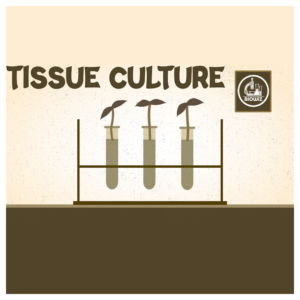
Tissue culture in plants is like botanical magic! Tiny plant parts grow into whole new plants in a nutrient-rich “petri-dish paradise.” This technique speeds up plant breeding, rescues endangered species, and even creates virus-free plants. It’s a fascinating journey from microscopic cells to lush greenery!
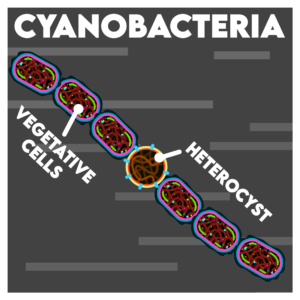
Imagine Earth’s early days, a wild party of chemicals and chaos. Then came cyanobacteria, the original party planners, turning sunlight into energy and releasing oxygen. These tiny powerhouses kickstarted life as we know it, transforming the atmosphere and paving the way for diverse, oxygen-breathing life forms. Cheers to cyanobacteria!
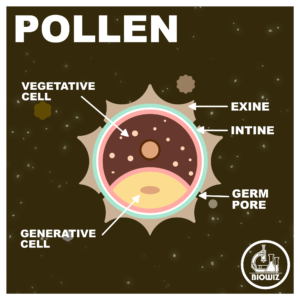
Pollen grains are nature’s tiny couriers, crucial for plant reproduction. Each grain, with its protective outer layer and nutrient-rich interior, embarks on a journey from one flower to another, often aided by wind, water, or pollinators. This intricate process ensures the continuation of plant species and biodiversity on Earth.
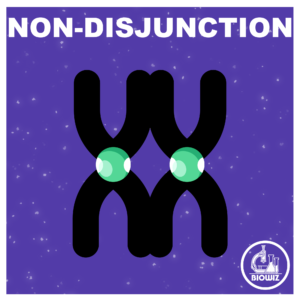
Non-disjunction of chromosomes is a genetic mishap during cell division, where chromosomes fail to separate properly. This error can lead to disorders like Down syndrome, where an extra chromosome 21 is present. Non-disjunction can occur in meiosis or mitosis, resulting in cells with abnormal chromosome numbers, affecting an organism’s development and health.
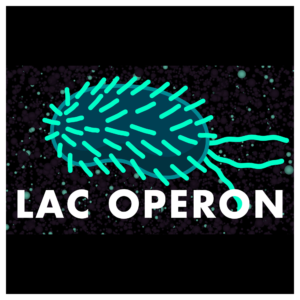
The regulation of the lac operon in E. coli is a classic example of gene control. It involves an operon system where the presence or absence of lactose determines the transcription of genes responsible for lactose metabolism. The operon is activated by lactose and inhibited by glucose, ensuring efficient energy use.

DNA replication is the process by which a cell duplicates its DNA before division. It involves unwinding the double helix, synthesizing new strands using existing ones as templates, and proofreading to ensure accuracy. This essential mechanism ensures genetic information is faithfully passed on to daughter cells.
Cheese, a dairy product, is produced by coagulating milk proteins, primarily casein. The process involves curdling, separating curds from whey, and aging, which imparts diverse textures and flavors. Factors like milk type, bacteria, and aging duration contribute to cheese variety, making it a staple in many cuisines worldwide.
Bread is a staple food made from flour, water, and yeast, baked to create a leavened product. It comes in various forms, including loaves, rolls, and flatbreads. Bread offers essential nutrients, such as carbohydrates and fiber, and has cultural significance in diverse cuisines around the world.