NEET biology, animated

Structural Organisation in Animals

Lessons

-> newest first. Watch, then revise with notes.

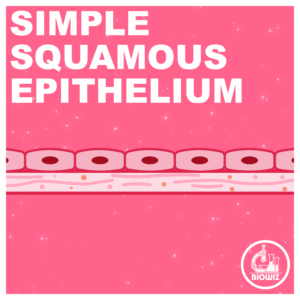
SIMPLE SQUAMOUS EPITHELIUM

SQUAMOUS EPITHELIUM

Squamous epithelium consists of flat, thin cells found lining surfaces such as skin, blood vessels, and the alveoli of lungs. This tissue type facilitates diffusion and filtration due to its minimal thickness, playing a crucial role in processes like gas exchange and protecting underlying structures.

Watch and read »

GLANDS

Glands are classified by their mode of secretion into three types: merocrine, releasing products via exocytosis; apocrine, secreting by pinching off a portion of the cell; and holocrine, where entire cells disintegrate to release their contents.

Watch and read »
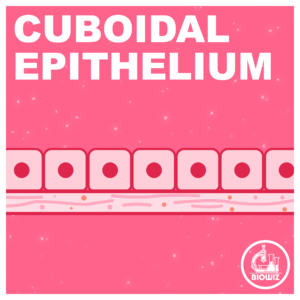
CUBOIDAL EPITHELIUM

CUBOIDAL EPITHELIUM

Cuboidal epithelium features cube-shaped cells arranged in single or multiple layers. It is commonly found in glandular tissues and kidney tubules, where it functions in secretion, absorption, and filtration. The compact, organized structure of cuboidal epithelium supports efficient metabolic activities and effective exchange of substances.

Watch and read »

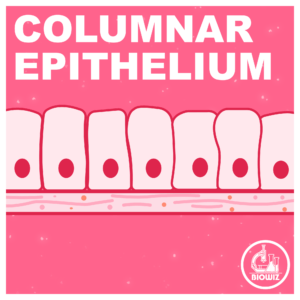
COLUMNAR EPITHELIUM

Columnar epithelium consists of tall, rectangular cells that line surfaces in various organs. This tissue type functions in absorption, secretion, and protection. Found in the digestive tract and respiratory system, it aids in nutrient uptake, mucus secretion, and surface protection, playing a key role in maintaining organ function.

Watch and read »

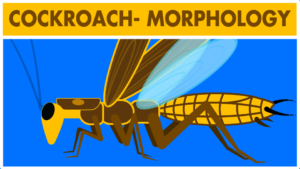
COCKROACH

Cockroaches exhibit a distinctive morphology with a flattened, oval body and a hard exoskeleton. They have three main body parts: head, thorax, and abdomen. Their long, spiny legs are adapted for running, while their antennae are sensory organs. Cockroaches also possess two pairs of wings and chewing mouthparts.

Watch and read »
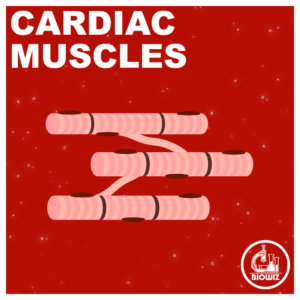
VECTOR ILLUSTRATION OF CARDIAC MUSCLE

CARDIAC MUSCLES

Cardiac muscles are specialized, striated, involuntary muscles found in the heart. They contract rhythmically to pump blood throughout the body and are connected by intercalated discs that facilitate synchronized contractions. Their endurance and automaticity are crucial for maintaining continuous blood circulation and overall cardiovascular health.

Watch and read »

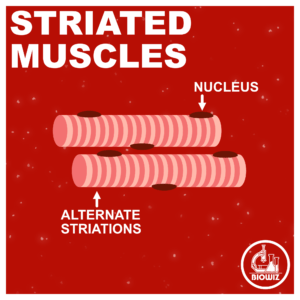
STRIATED MUSCLES

Skeletal muscles are striated, voluntary muscles attached to bones via tendons. They facilitate movement by contracting and relaxing in response to nervous system signals. These muscles also support posture, stabilize joints, and generate heat. They are essential for locomotion and various daily activities requiring conscious control.

Watch and read »

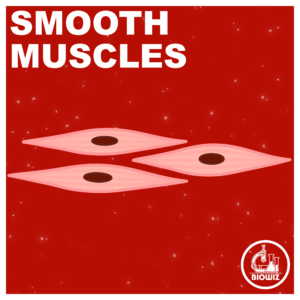
SMOOTH MUSCLES

Smooth muscles are involuntary, non-striated muscles found in the walls of internal organs such as the stomach, intestines, and blood vessels. They control various functions like digestion and blood flow by contracting rhythmically and without conscious control, playing a vital role in maintaining bodily functions and homeostasis.

Watch and read »

Can't find a topic?

Tell me which chapter confuses you most in the YouTube comments. The most-requested topics get animated next.

Request a topic
Scroll to Top