NEET biology, animated

Biological Classification

Lessons

-> newest first. Watch, then revise with notes.

A basidiocarp growing in a forest

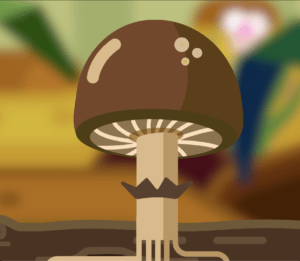
LIFE CYCLE OF BASIDIOMYCETES

Basidiomycetes, or club fungi, exhibit a complex life cycle featuring both sexual and asexual reproduction. They produce basidiospores on specialized structures called basidia, typically located on fruiting bodies like mushrooms. These spores germinate into haploid mycelia, which can fuse to form dikaryotic mycelia, eventually leading to the development of new fruiting bodies.

Watch and read »

DIATOMS

Diatoms are microscopic algae with unique silica-based cell walls, forming intricate and beautiful geometric patterns. Found in diverse aquatic environments, they play a crucial role in the ecosystem by producing oxygen and serving as a primary food source for marine and freshwater organisms. Their fossilized remains contribute to sediment formation.

Watch and read »

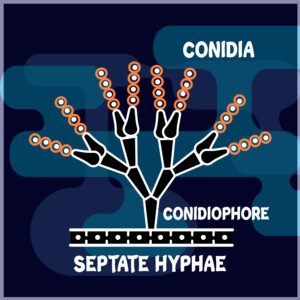
ASEXUAL SPORES IN FUNGI

Fungi reproduce asexually using different types of spores, including conidia, sporangiospores, and chlamydospores. Conidia are free spores produced on specialized structures, sporangiospores form within a sac-like sporangium, and chlamydospores are thick-walled, stress-resistant spores. These diverse spores enable fungi to adapt and spread across various environments.

Watch and read »

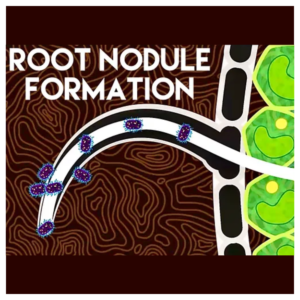
ROOT NODULE FORMATION

Root nodule formation in legumes involves a symbiotic relationship with nitrogen-fixing bacteria, primarily Rhizobium. These bacteria colonize the root hairs, triggering the plant to form nodules. Inside these nodules, bacteria convert atmospheric nitrogen into a form usable by the plant, enhancing soil fertility and plant growth.

Watch and read »

Can't find a topic?

Tell me which chapter confuses you most in the YouTube comments. The most-requested topics get animated next.

Request a topic
Scroll to Top